Creatine: Beyond Muscle Building — Brain, Bone, and Metabolic Benefits
Table of Contents
The Most Researched Supplement in History
Creatine is among the most studied supplements in sports nutrition, with over 1,000 published studies confirming its safety and effectiveness. While it's best known for building muscle and improving athletic performance, emerging research reveals benefits that extend far beyond the gym.
Creatine is a naturally occurring compound produced in your liver, kidneys, and pancreas from three amino acids: arginine, glycine, and methionine. It's stored primarily in skeletal muscle (95%) with smaller amounts in the brain and other tissues.
Muscle and Performance Benefits
- Strength gains — 5–15% improvement in strength and power output.
- Muscle mass — Increases water content in muscle cells, signaling anabolic pathways.
- Recovery — Reduces muscle damage and inflammation after intense exercise.
- Fatigue resistance — Buffers hydrogen ions, delaying muscle fatigue during high-intensity effort.
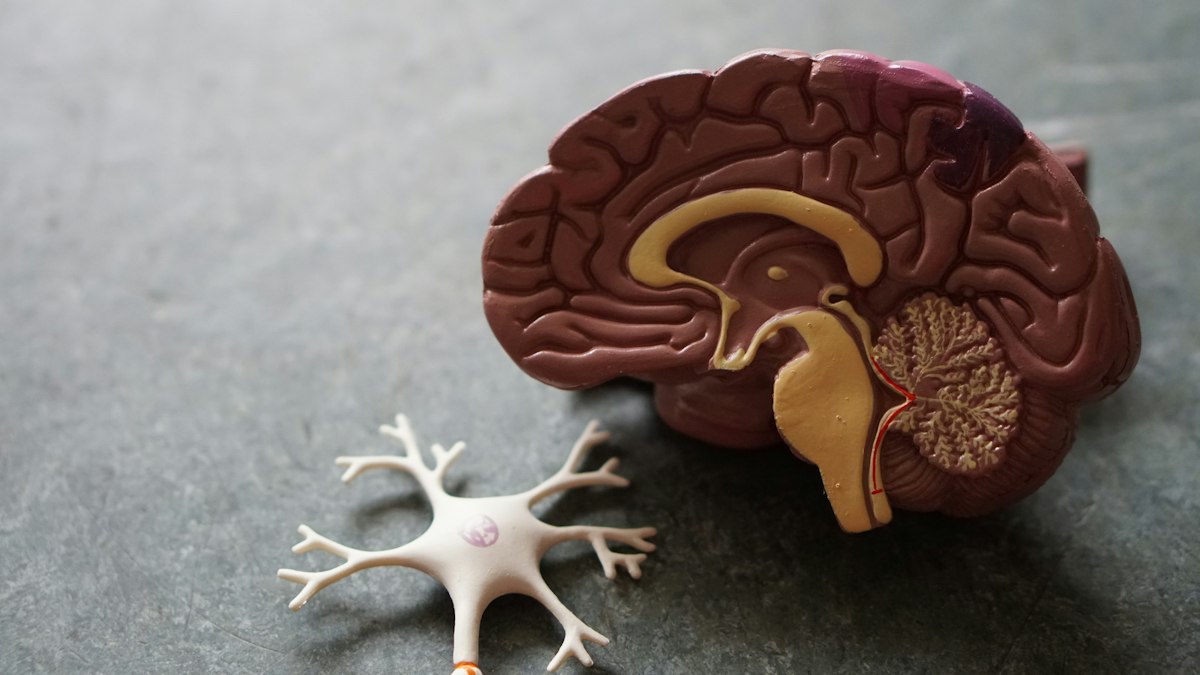
Brain Health and Cognition
The brain requires enormous amounts of energy. Creatine helps maintain ATP (cellular energy) levels during mental stress:
- Cognitive performance under fatigue — Supplementation improves working memory and processing speed after sleep deprivation.
- Neuroprotection — Studies suggest creatine may protect against neurodegenerative diseases by supporting mitochondrial function.
- Mood — Some research shows creatine enhances the effectiveness of antidepressant treatment.
A 2023 meta-analysis in Nutrients found that creatine supplementation significantly improved short-term memory and executive function, especially in older adults and those under stress.
Bone and Metabolic Health
- Bone density — Creatine stimulates osteoblast activity and may reduce age-related bone loss.
- Glucose metabolism — Improves insulin sensitivity by increasing GLUT4 translocation in muscle cells.
- Anti-aging — Creatine counteracts age-related muscle loss (sarcopenia) and supports mitochondrial health.
How to Use Creatine
- Type — Creatine monohydrate (the most researched, cheapest, and most effective form).
- Dosage — 3–5 grams per day. No need to cycle or load for most people.
- Timing — Any time of day, consistently. Taking it with carbohydrates may improve uptake.
- Duration — Safe for long-term use (studies span 5+ years).
The Takeaway
Creatine monohydrate is one of the few supplements with consistent, high-quality evidence for both physical and cognitive benefits. At 3–5 grams daily, it's safe, affordable, and effective — not just for athletes, but for anyone looking to support muscle, brain, and metabolic health.
Enjoying This Article?
Get more science-backed wellness tips delivered to your inbox every week.
DailyWellFit Editorial Team
We translate peer-reviewed science into practical wellness advice. Our team of health researchers and writers is committed to evidence-based, actionable content.
Related Articles
Continue reading from the same category