The Complete Guide to Dietary Protein: How Much, When, and What Sources
Table of Contents
Why Protein Matters
Protein is composed of amino acids — the building blocks for muscles, enzymes, hormones, neurotransmitters, immune cells, and virtually every structural component of your body. Unlike carbohydrates and fat, your body has no storage depot for protein, making daily intake essential.
The word protein comes from the Greek proteios, meaning "of primary importance" — and for good reason.
How Much Do You Actually Need?
Protein needs vary significantly based on activity level, age, and health goals:
| Population | Daily Protein Recommendation (per kg body weight) |
|---|---|
| Sedentary adult | 0.8 g/kg |
| Active adult | 1.2–1.7 g/kg |
| Athlete/bodybuilder | 1.6–2.2 g/kg |
| Older adult (50+) | 1.2–1.6 g/kg |
| Weight loss | 1.6–2.4 g/kg |
For a 70 kg (154 lb) person, this translates to 56–168 grams per day, depending on their goals.
The Best Protein Sources
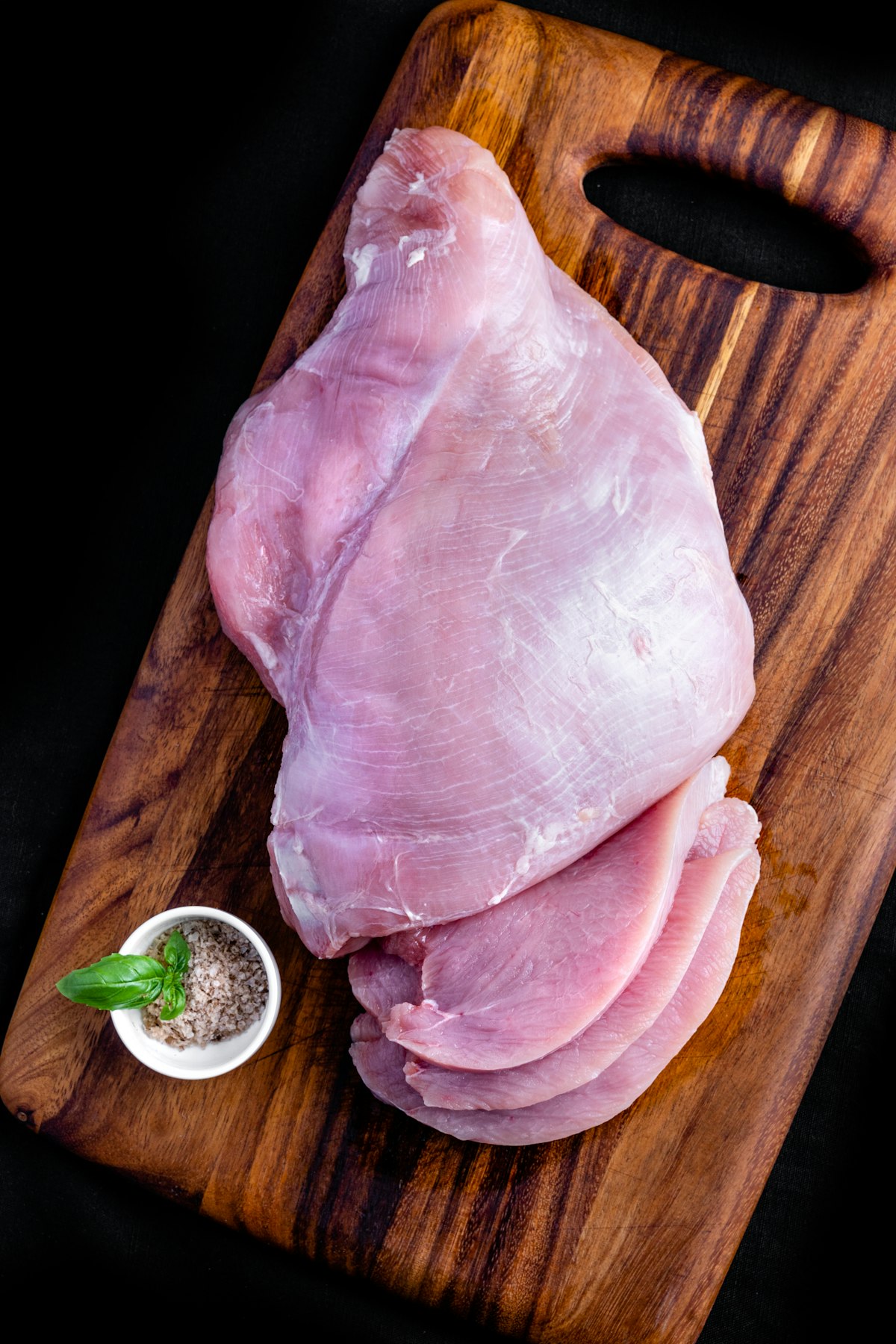
Animal Sources (complete proteins — all essential amino acids):
- Chicken breast (31g per 100g)
- Eggs (13g per 100g)
- Greek yogurt (10g per 100g)
- Salmon (25g per 100g)
- Whey protein (25–30g per scoop)
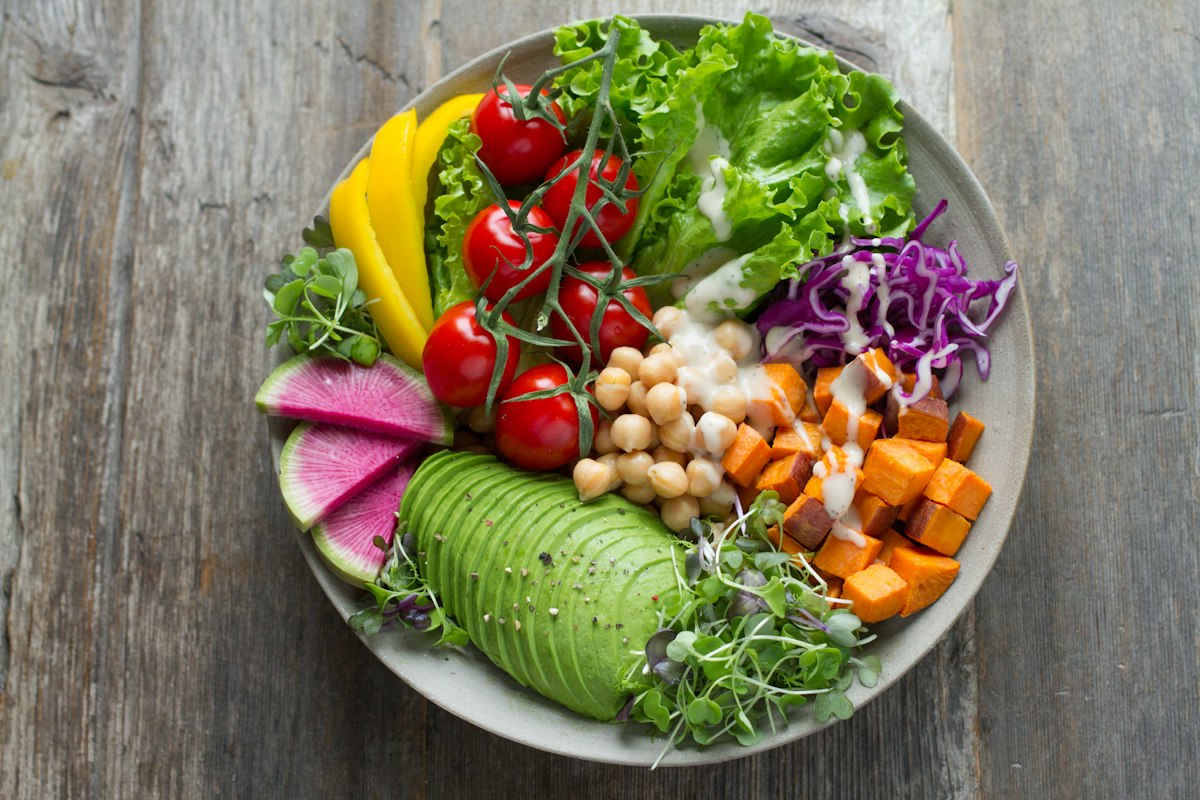
Plant Sources (combine for completeness):
- Lentils (9g per 100g)
- Tofu (8g per 100g)
- Chickpeas (7g per 100g)
- Hemp seeds (31g per 100g)
- Quinoa (4g per 100g)
The Leucine Threshold
To stimulate muscle protein synthesis effectively, each meal should contain 2.5–3g of leucine, the key amino acid that turns on the muscle-building pathway:
- 25–30g of high-quality protein per meal is the target.
- Plant proteins need slightly more (35–40g) because of lower leucine content.
- Spreading protein across 3–4 meals is superior to eating it all in one meal.
Timing Considerations
- Post-exercise window — The "anabolic window" is wider than once thought (up to 4–6 hours), but consuming protein within 2 hours of exercise is optimal.
- Before bed — 30–40g of casein (milk protein) or slow-digesting protein before sleep improves overnight muscle repair.
- Morning — Including protein at breakfast prevents muscle breakdown after the overnight fast.
The Takeaway
Prioritize total daily protein intake above all other variables. Aim for 1.6–2.2 g/kg if you're active, include a high-quality source at each meal, and combine plant proteins to ensure adequate leucine.
Enjoying This Article?
Get more science-backed wellness tips delivered to your inbox every week.
DailyWellFit Editorial Team
We translate peer-reviewed science into practical wellness advice. Our team of health researchers and writers is committed to evidence-based, actionable content.
Related Articles
Continue reading from the same category