The Science of Hydration: How Much Water Do You Really Need?
Table of Contents
The Hydration Myth
The advice to drink 8 glasses of water per day is one of the most persistent health recommendations — and it has surprisingly little scientific support. The "8x8 rule" (eight 8-ounce glasses) originated from a misinterpretation of a 1945 recommendation that included water from all sources, including food.
In reality, your water needs are highly individual and depend on many factors.
How Your Body Regulates Water
Your body maintains water balance through a sophisticated system involving hormones (ADH and aldosterone), kidney function, and thirst signals. When you're low on water, your body concentrates urine and triggers thirst. When you're hydrated, you produce dilute urine.
This system is remarkably effective at maintaining water balance across a wide range of intakes — which is why healthy people rarely experience clinically significant dehydration from inadequate drinking.
Factors That Affect Your Water Needs
- Activity level — Exercise increases water loss through sweat and respiration. For every 30 minutes of moderate exercise, add 8–16 ounces.
- Climate — Hot, humid environments increase sweat rates. High altitudes also increase fluid loss through respiration.
- Body size — Larger individuals have higher total water content and needs.
- Diet — High-sodium, high-protein, and high-fiber diets increase water requirements.
- Health conditions — Fever, diarrhea, vomiting, and certain medications increase fluid needs.
A Practical Approach to Hydration
Rather than counting glasses, use these evidence-based strategies:
1. Follow Your Thirst
Thirst is a reliable indicator for most healthy people. Your body's thirst mechanism is triggered when plasma osmolality rises by just 1–2% — well before clinical dehydration occurs.
2. Check Urine Color
Urine color is a practical hydration indicator:
- Pale yellow (like lemonade) — Well hydrated
- Dark yellow or amber — Drink more water
- Clear (like water) — Possibly overhydrated
3. Drink with Meals
Having water with meals supports digestion and naturally distributes your intake throughout the day.
4. Eat Water-Rich Foods
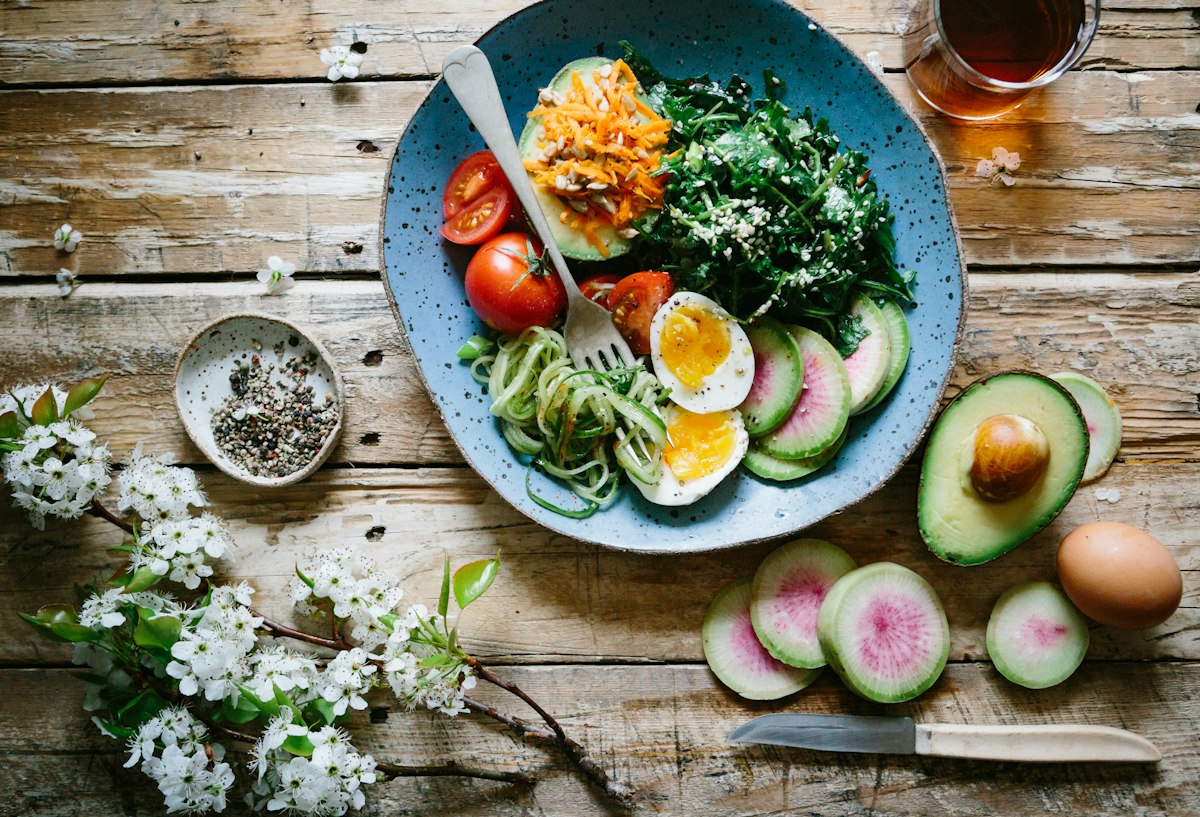
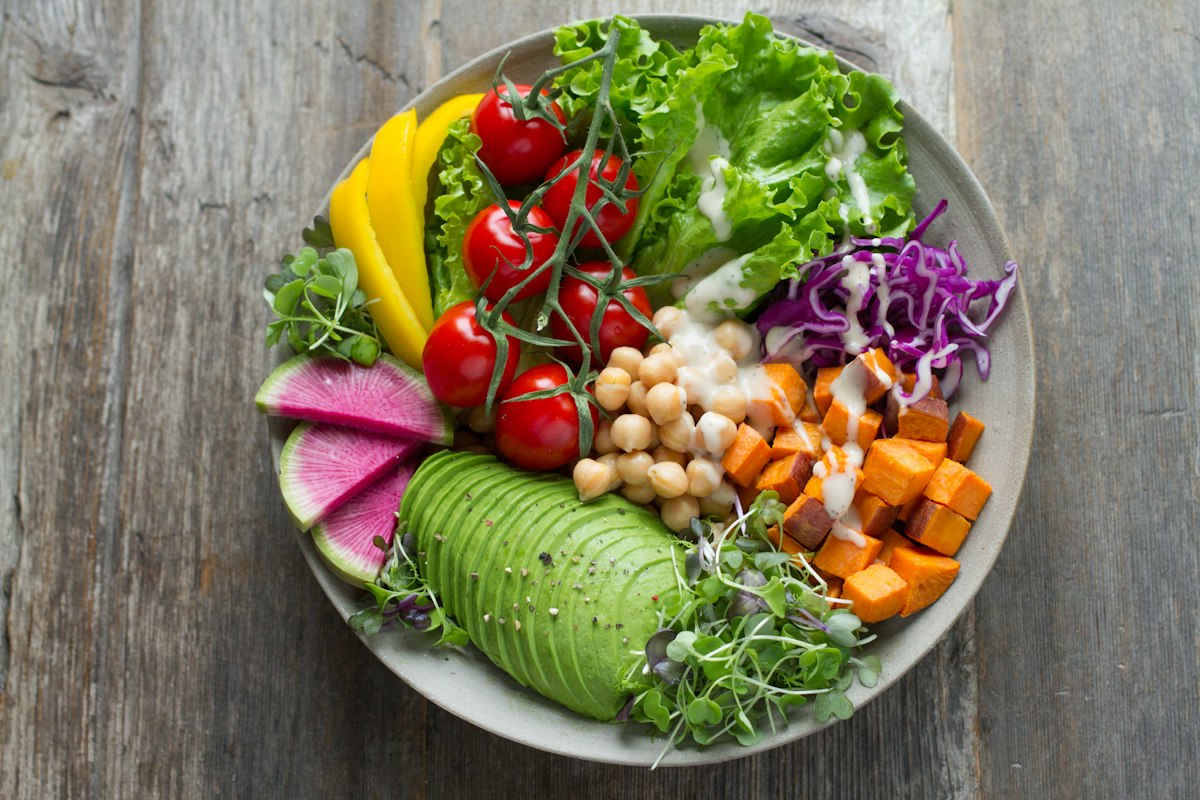
Many foods contribute significantly to hydration:
- Cucumber (96% water)
- Watermelon (92% water)
- Strawberries (91% water)
- Cantaloupe (90% water)
- Broth-based soups
The Takeaway
Stop stressing about hitting a specific number of glasses. Drink when you're thirsty, check your urine color occasionally, and eat plenty of fruits and vegetables. For most people, this is all that's needed for optimal hydration.
Enjoying This Article?
Get more science-backed wellness tips delivered to your inbox every week.
DailyWellFit Editorial Team
We translate peer-reviewed science into practical wellness advice. Our team of health researchers and writers is committed to evidence-based, actionable content.
Related Articles
Continue reading from the same category