Strength Training After 40: Why It's Non-Negotiable for Longevity
Table of Contents
The Hidden Crisis of Aging
After age 30, you begin losing 3–8% of your muscle mass per decade — a process called sarcopenia. By age 40, that rate accelerates. By age 60, it can severely impact mobility, metabolism, and quality of life.
But here's the good news: this decline is largely preventable with the right stimulus.
Strength training (also called resistance training) is the single most effective intervention for preserving — and even rebuilding — muscle tissue at any age. The benefits extend far beyond muscle size.
Why Muscle Matters for Longevity
Muscle is not just for lifting and moving. It's your body's metabolic reservoir:
- Glucose disposal — Muscle tissue is the primary sink for blood glucose. More muscle means better blood sugar control and lower diabetes risk.
- Basal metabolic rate — Each pound of muscle burns roughly 6–7 calories at rest. Losing muscle slows your metabolism.
- Bone density — The mechanical stress of lifting pulls on bones, signaling them to maintain density. This is critical for preventing osteoporosis.
- Fall prevention — Stronger legs, core, and stabilizers dramatically reduce fall risk — a leading cause of injury in older adults.
- Immune function — Muscle tissue supports immune health by providing amino acids for immune cell production.
A 2018 study in The Journals of Gerontology found that adults over 50 who strength trained twice per week had 46% lower all-cause mortality compared to those who did not.
How to Start Safely After 40
If you're new to strength training or returning after a long break:
- Start with bodyweight — Squats, push-ups (on knees if needed), lunges, and planks build a foundation.
- Add resistance bands — They provide variable resistance and are joint-friendly.
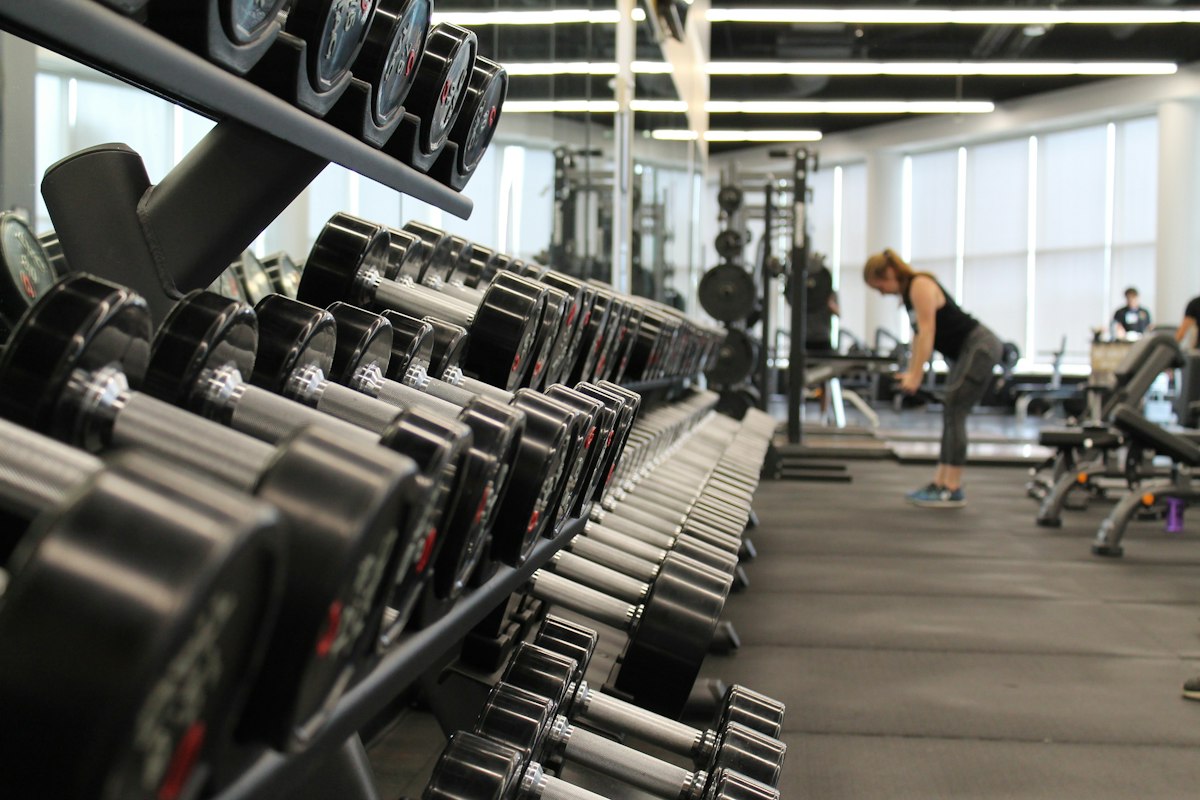
- Progress to free weights — Dumbbells and kettlebells allow natural movement patterns.
- Consider machines — Great for isolation work and controlled movement.
Frequency: 2–3 full-body sessions per week is ideal. Each session should target all major muscle groups.
Rep ranges: 8–15 reps per set is a sweet spot for muscle growth and joint safety. Aim for 2–3 sets per exercise.
Common Mistakes to Avoid
- Skipping warm-ups — After 40, your joints need preparation. Spend 5–10 minutes on mobility and light cardio.
- Ego lifting — Use weights you can control through the full range of motion. Form over load, always.
- Neglecting recovery — Muscle growth happens during rest, not in the gym. Take at least 48 hours between sessions.
- Ignoring mobility — Tight hips, shoulders, and ankles limit your ability to lift safely. Incorporate mobility work weekly.
The Hormonal Connection
Resistance training triggers several beneficial hormonal responses:
- Growth hormone — Supports tissue repair and metabolism.
- Testosterone — Essential for muscle protein synthesis (even in women, who benefit from smaller amounts).
- IGF-1 — Promotes cell growth and regeneration.
While these hormones decline naturally with age, strength training can blunt that decline more than any other intervention.
Nutrition Considerations
To support muscle growth after 40:
- Protein — Aim for 1.6–2.2 grams per kg of body weight daily. Distribute across meals (30–40g per meal).
- Creatine — One of the most researched supplements for strength and muscle mass.
- Vitamin D — Critical for muscle function and bone health. Most adults over 40 are deficient.
- Sleep — This is when muscle repair happens. Prioritize 7–9 hours.
The Takeaway
Strength training after 40 is not about looking good — though that's a nice side effect. It's about preserving your ability to live actively, independently, and vibrantly for decades to come. It's the closest thing we have to a fountain of youth.
Start where you are. Use what you have. Do what you can. Your future self will thank you.
Keywords: strength training, after 40, longevity, muscle mass, bone density, resistance training, healthy aging, fitness, sarcopenia
Enjoying This Article?
Get more science-backed wellness tips delivered to your inbox every week.
DailyWellFit Editorial Team
We translate peer-reviewed science into practical wellness advice. Our team of health researchers and writers is committed to evidence-based, actionable content.
Related Articles
Continue reading from the same category